
SOUTH EAST BAY PEDIATRIC MEDICAL GROUP
Excellent Care, Fast & Easy Access to Our Doctors
At South East Bay Pediatric Medical Group we believe that every child is unique and deserves highly personalized, compassionate care tailored to their individual needs. We are committed to building lasting relationships with families, providing attentive, one-on-one care that nurtures each child’s health, development, and well-being. Unlike a one-size-fits-all approach, we take the time to truly listen, understand, and create customized treatment plans that honor the individuality of every child.
Rooted in the latest medical research and guided by evidence-based medicine, we adhere to the highest standards of care established by the American Academy of Pediatrics. By staying up to date with advancements in pediatric medicine, we ensure that every child receives the best possible treatment, blending scientific excellence with the warmth, respect, and dedication they deserve.
Our physicians are well known for their responsiveness, ensuring that patient queries are addressed in a timely and compassionate manner. We distinguish our services by providing timely access to your doctor with same day appointments for illnesses and same day MyChart or phone call reply to your messages. We are the only private group practice in Fremont with same day urgent appointments on Saturday and Sunday mornings.
OFFICE HOURS
| Mon-Fri | 8:45am – 5pm |
| Sat & Sun | Same-day urgent care visits are available on Saturdays and Sundays by appointment only. Please call to schedule. Phone hours: – 8:00 AM – 1:00 PM on Saturdays. – 8:00 AM – 11:00 AM on Sundays. |
510-792-4373 | Fax. 510-792-3420
info@sebpmg.com
2191 Mowry Avenue, Suite 600C
Fremont, Ca 94538
At South East Bay Pediatric Medical Group we believe that every child is unique and deserves highly personalized, compassionate care tailored to their individual needs. We are committed to building lasting relationships with families, providing attentive, one-on-one care that nurtures each child’s health, development, and well-being. Unlike a one-size-fits-all approach, we take the time to truly listen, understand, and create customized treatment plans that honor the individuality of every child.
Rooted in the latest medical research and guided by evidence-based medicine, we adhere to the highest standards of care established by the American Academy of Pediatrics. By staying up to date with advancements in pediatric medicine, we ensure that every child receives the best possible treatment, blending scientific excellence with the warmth, respect, and dedication they deserve.
Our physicians are well known for their responsiveness, ensuring that patient queries are addressed in a timely and compassionate manner. We distinguish our services by providing timely access to your doctor with same day appointments for illnesses and same day MyChart or phone call reply to your messages. We are the only private group practice in Fremont with same day urgent appointments on Saturday and Sunday mornings.
OFFICE HOURS
Mon-Fri: 8:45am – 5pm
Sat & Sun: Same day urgent care visits available from 8:30 am to 11:00 am ONLY by calling for an appointment.
Please call the office starting at 8 am.
510-792-4373 | Fax. 510-792-3420
info@sebpmg.com
2191 Mowry Avenue, Suite 600C
Fremont, Ca 94538
ABOUT US
We are an Independent, Physician owned Private Pediatric practice affiliated with UCSF Benioff Children’s Hospital.
SAME DAY APPOINTMENTS
Please call our office the day of to make an appointment. Phones lines open at 8am.
EXPERT DOCTORS
Our physicians are specialize in the care of children from birth through young adulthood.
OUR SERVICES
We offer a full range of pediatric services for newborns, infants, children and teenagers.

ABOUT US
We are affiliated with UCSF Benioff Children’s Physicians.

SAME DAY APPOINTMENTS

EXPERT DOCTORS
Our physicians are specialize in the care of children from birth through young adulthood.

OUR SERVICES
We offer a full range of pediatric services for newborns, infants, children and teenagers.
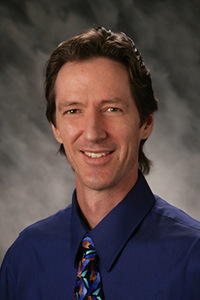
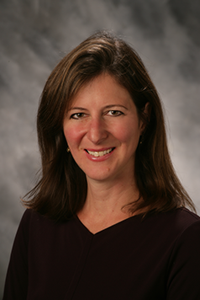
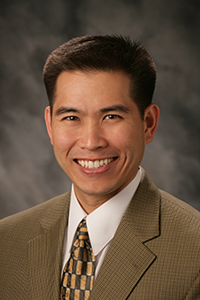
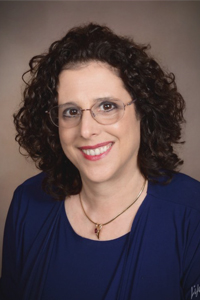
MEET OUR DOCTORS
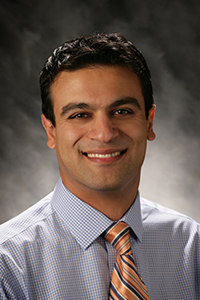
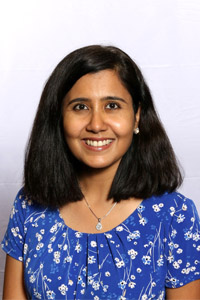
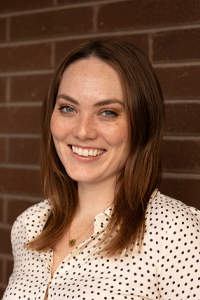
“I needed an immediate appointment for my 4 year old daughter and Dr. Alpert was available, so I made the appointment. She was friendly to me my daughter and my other daughters that were in the exam room. Sometimes multiple siblings can be overwhelming in an exam room and she did not seem to mind. She was genuinely concerned and even followed up later with a call to me to see how my daughter was doing. So i made another appointment for my other 2 daughters physicals and she was just as nice and the girls all liked her. She called me when one of my girls had iron deficiency and sent iron prescription to the pharmacy that worked for me. My other daughter forgot to ask her a question, so we called Dr. Alpert and she called back the same day and answered all her question and made her feel at ease and that her new Dr. was on her side.”
“Dr. Sara Dobbs at South East Bay Pediatric Group. On our first visit prior to our baby’s birth, my wife and I met with Dr. Sara Dobbs. She was very patient and answered all the questions we had. She even gave us a tour of the facility and showed us where several checks/tests were done. She made us feel very confortable with her practice.”
“I was a patient of SEBPMG for nearly 20 years. My brother, who is nearly 18, has been a patient since he was born. Even though my mom suggested that I switch to a different doctor because of my age (21 this year) and my current location (San Diego), I still insisted on coming back to good ol’ Fremont for physicals and whatnot. It’s oddly comforting to be in the same waiting room that I was in as an infant…”
“Switched from bad experiences at our last pediatric office! What an awesome office… all of the staff from the time we were greeted, to Dr. Unson taking his time with both our boys and his thoroughness, to their patience in the back office when my youngest had two shots. They were all so kind and patient!”
“I was a patient up until I was 21 years old with SEBPMG. I used to see Dr. Patrick Burke and I am fortunate to take my 17 mo old son to him as well. This office always accommodates me when I need to bring my son in urgently. And they are very prompt on returning call backs for advice. I have not had any bad experiences with them at all. I’ve referred one of my best GF’s here and both of her children are patients.”
“We absolutely love South East Bay Pediatric Medical Group! Dr. Ali Halaj Pour is truly amazing — there is no other doctor like him anywhere. He takes such great care of our kids and also guides us parents with so much kindness and patience. You can really tell he cares deeply about every child and family he sees. We feel so lucky to have him as our pediatrician — he’s truly a blessing! Definitely recommend him and this clinic to all families in the Bay Area.”
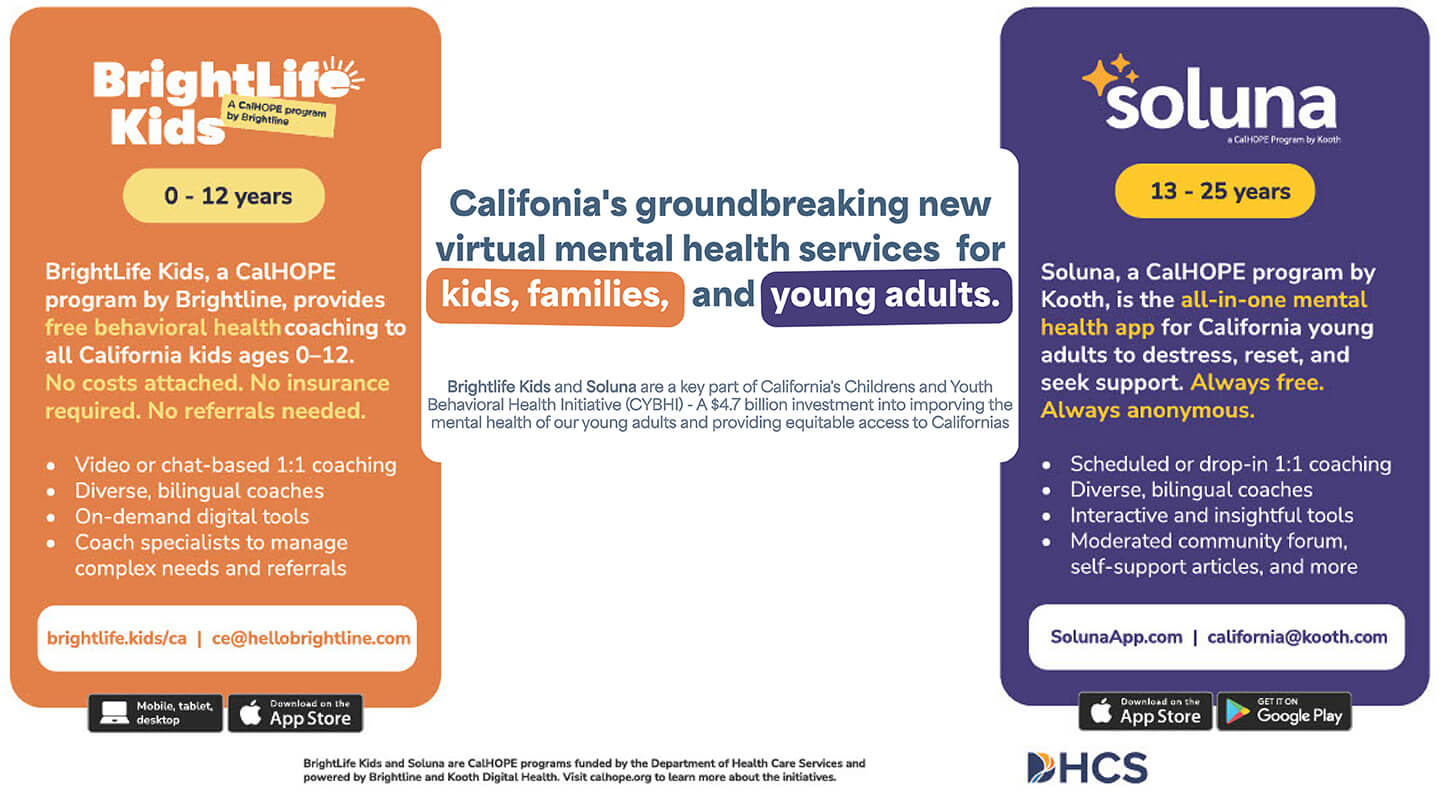
Schedule Your Child’s Pediatric Appointment in Fremont Today
Looking for a trusted pediatrician in Fremont or the surrounding East Bay communities? Our experienced team at South East Bay Pediatric Medical Group provides compassionate, comprehensive care for infants, children, and teens.
Book your child’s appointment today and give them the care they deserve.
